Core capability
Protocol Matching Engine
Structured eligibility logic from complex inclusion/exclusion criteria — mapped to EHR field queries, scored for confidence, ranked for CRO feasibility teams.
Inclusion/exclusion criteria as structured queries
Protocol I/E criteria are typically written as free-text clinical language in the study protocol document. Before any EHR matching can run, those criteria must be converted to structured field queries — ICD-10 ranges, LOINC-coded lab thresholds, RxNorm medication classes, diagnosis duration requirements.
Cohortbridge's criteria parsing layer performs this conversion. Common indication types (cardiometabolic, oncology, CNS) have pre-parsed criteria libraries that reduce setup time. Novel or complex criteria require one-time human validation by the Cohortbridge clinical informatics team before the first match run.
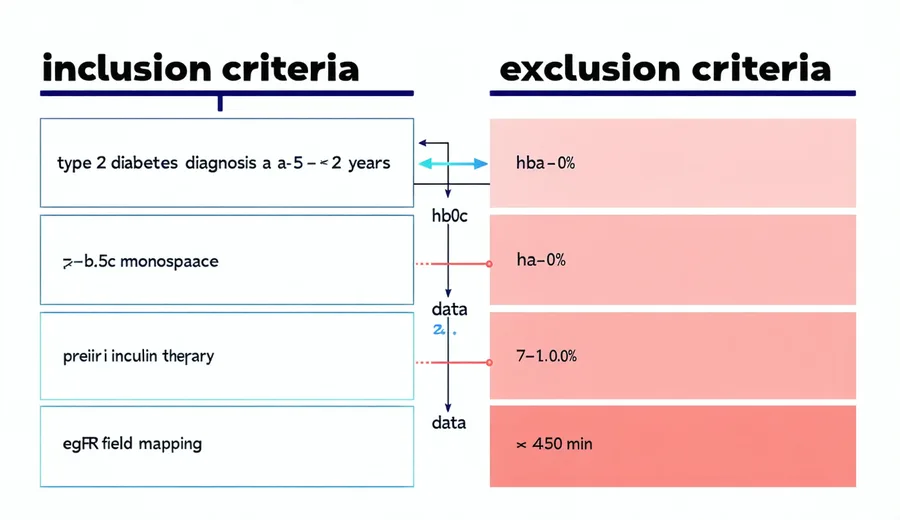
Supported criteria types
Eligibility confidence scores, not binary pass/fail
Not every patient record has complete data coverage for all criteria fields. Cohortbridge's confidence scoring surface patients with high likelihood of eligibility while flagging records where targeted chart review is warranted.
High confidence
All required inclusion criteria met; no exclusion triggers found in record. Recommend for consent outreach prioritization.
Moderate confidence
Most criteria met; one or more fields incomplete or near threshold. Targeted chart review recommended before consent approach.
Low confidence
Significant criteria fields missing or likely exclusion triggers present. Included in output for completeness; chart review required.
Confidence scores reflect record completeness, not clinical judgment
A confidence score below 85 does not mean a patient is ineligible — it means the EHR record does not have sufficient structured data to make a high-confidence determination. Clinical staff at the site retain the final eligibility assessment authority.
Complex criteria that Cohortbridge handles
These are examples of criteria types that Cohortbridge's structured parsing layer supports. Protocol-specific criteria are validated with the Cohortbridge clinical informatics team before deployment.
Cardiometabolic — Type 2 Diabetes Protocol
CNS — Early Alzheimer's Disease Protocol
No patient identifiers in the matching output
The protocol matching engine is designed so that patient identifiers — name, date of birth, MRN, address, full ZIP code — are never included in the cohort output delivered to the CRO team.
Each matched record receives a Cohortbridge-assigned de-identified reference ID. Site clinical staff use their own patient management systems — under their own IRB authorization — to translate cohort IDs to clinical action. Cohortbridge does not maintain a persistent record-to-ID mapping accessible to the CRO.
Full privacy architectureNo PII in output
Cohort list contains IDs and scores only
Protocol isolation
Protocol A cohort never visible to Protocol B users
Role-based access
CRO staff access only their own protocol outputs
Audit logging
Every query logged for sponsor and IRB review
See the matching engine on your protocol
We walk through a de-identified match run using your protocol's inclusion/exclusion criteria. See exactly how the criteria parsing works for your specific indication.